AntsCanada documents the complex engineering, maintenance, and ecological balancing acts required to sustain multi-thousand-gallon indoor ecosystem vivariums. The episodes chronicle intensive troubleshooting—ranging from catastrophic tank leaks and bacterial blooms to invasive fire ant swarms—and the delicate introduction of targeted predators, detritivores, and birds. Across these closed-loop biomes, the creator explores specialized biological phenomena like stingless bee honey-making, avian foraging mechanics, and plant-pollinator co-evolution. By experimenting with outdoor bridges and environmental controls such as automated wind generators, the show examines how artificial microclimates interact with native and captive wildlife.
Micro-Ecosystem Engineering and Structural Resilience
Constructing massive multi-thousand-gallon vivariums requires rigorous structural planning, as demonstrated when water pressure forced a wetland tank's front panel to separate from its sealant.
Catastrophic failures demand complete biological evacuations, substrate removal, and multi-day joint curing aided by industrial black sealant and additional glass bracing.
Newly established water systems inevitably experience initial hurdles like cloudy bacterial blooms and yellowish-brown tannin discoloration from driftwood before stabilizing.
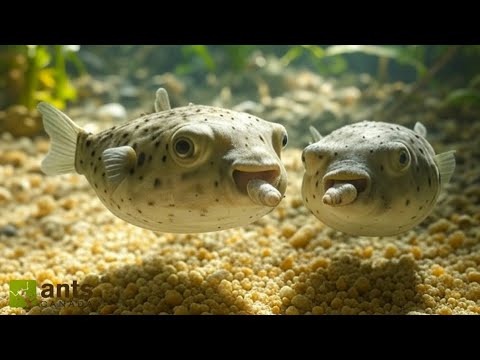
Dwarf pea puffers are deployed into tropical wetlands to combat population explosions of invasive bladder and ramshorn snails by targeting smaller specimens.
Diatomaceous chalk provides a non-toxic mechanical barrier against invading fire ants by cutting their exoskeletons and inducing rapid dehydration.
Foundational detritivores like cherry shrimp, isopods, and millipedes are critical for recycling decaying organic waste into plant fertilizer and maintaining biological cycles.
Avian Integration and Flight Conditioning in Captivity
Sprawling multi-thousand-gallon enclosures provide birds like society finches with massive spatial volumes that prevent wing muscle atrophy compared to restrictive pet trade cages.
Automated wind generators activate at random intervals to force housed finches to actively work out their wing muscles against shifting air currents.
Button quails ingest abrasive grit particles into their gizzards to mechanically grind down hard food items and seeds for efficient nutrient absorption.
Ants make ineffective plant pollinators because they frequently groom pollen from their bodies and rarely travel between different plant individuals.
Flowering plants evolve specific physical structures and scents to target particular pollinators, such as white powderpuff flowers targeting large butterflies with long filaments.
Replicating the sensory profile of massive regional food sources like coconut inflorescences is necessary to test olfactory luring of stingless bees in artificial indoor habitats.
Artificial biomes require mirroring natural microclimates to ensure captive animal welfare and prevent emigration.
When connecting a multi-vivarium network to the outside world, the creator remains confident resident ants will not leave because the indoor setup replicates a cool, mist-hydrated cloud rainforest superior to drier lowland conditions outside.
Domesticated bird species lacking wild survival instincts thrive in expansive multi-thousand-gallon vivariums that replicate natural grasslands rather than standard restrictive pet caging.
Detailed mechanical walkthroughs of habitat engineering and repair, such as draining a massive tropical wetlands tank after a structural front-panel separation and reinforcing joints with industrial sealant.
Step-by-step introduction of biological trophic levels, balancing newly established water systems with beneficial filtration bacteria, cherry shrimp detritivores, and dwarf pea puffers for pest snail control.
Macro-level behavioral observation and specialized luring techniques, using food baits like honey and mango juice or specific floral scents to study cryptic ant species and stingless bees.
Large-scale biome integration experiments, connecting multi-vivarium networks to the outside world via physical bridges and testing avian flight adaptation with automated wind generators.
Earlier episodes (early 2025) center heavily on foundational tank maintenance, structural repairs after catastrophic leaks, and managing localized pest explosions like bladder snails and fire ants.
Recent episodes (early to mid-2026) shift focus toward advanced ecosystem connectivity, such as opening closed multi-vivarium networks to the outside world via bridges and experimenting with complex pollination luring for stingless bees.
Browse covered conversations, newest original releases first.
Trying to Lure Bees Into My Giant Ecosystem Vivarium | S7: E6Apr 5, 2026 · 30 min+
AntsCanada attempts to introduce a colony of native Philippine stingless bees into his multi-room indoor ecosystem vivarium network, Pantgea. Despite using scent baits, native plants like Barbados cherry, and harvested coconut inflorescences, the bees initially refuse to pollinate the indoor vegetation. The experiment reveals complex natural mechanisms governing plant-pollinator interactions, including specialized flower architecture, geographic co-evolution, and the precise golden period of nectar secretion.
Read episode summary I Connected My Vivariums to the Outside World | S7: E4Mar 22, 2026 · 24 min+
Biological engineer AntsCanada connects his multi-year, multi-thousand-gallon indoor ecosystem vivarium network, Pantgea, to the outside world through a newly constructed natural driftwood and moss log bridge. The setup tests the ecosystem's viability, allowing native insects and wildlife to cross freely while safely filtering out non-native species. As wild visitors—including ant-mimicking spiders and tree frogs—begin exploring the habitat, the creator showcases local stingless bee colonies and teases an ambitious expansion plan.
Read episode summary I Released Birds Into My Giant Grasslands Vivarium | S6: E12Jan 4, 2026 · 28 min+
Content creator AntsCanada integrates a flock of society finches and king quails into Verdantia, his 2,000-gallon giant grasslands vivarium. The video explores the logistical and behavioral hurdles of transitioning captive birds into a massive closed-loop ecosystem—including preventing glass collisions with UV decals and soap swirls, resolving initial nest abandonment, and observing how avian presence naturally influences seed distribution, plant fertilization, and native ant competition against invasive species.
Read episode summary The Insane Creatures I Found in My Giant Grassland Vivarium | S6: E3Oct 26, 2025 · 27 min+
The creator unveils Verdantia, a sprawling 2,000-gallon tropical grassland vivarium populated not just by intentional introductions, but by a hidden web of hitchhiking life. As plants and soil are transplanted from local fields, unexpected organisms emerge, ranging from parasitic zombifying worms to invasive ant species competing with native populations. The episode details the step-by-step introduction of foundational detritivores like isopods, millipedes, and earthworms to establish soil health, concluding with preparations for a groundbreaking attempt to culture fungus-growing termites indoors.
Read episode summary I Added BIRDS Into My Giant Rainforest Vivarium | S5: E5Jun 30, 2025 · 25 min+
Faced with an overwhelming population explosion of crickets following seasonal rains in his tropical rainforest vivarium, the creator introduces a pair of button quails as an ecological control mechanism. The video tracks the birds' adaptation to the enclosure, documenting their natural foraging habits, dust bathing, and soil aeration contributions. Alongside the quail integration, the narrative follows a resident frog's anxious search for his missing mate, culminating in a dramatic storm reveal.
Read episode summary I Added Pufferfish to Hunt Down Pest Snails in My Wetlands Vivarium | S4: E9Mar 9, 2025 · 20 min+
When an invasive population of bladder and ramshorn snails threatens the balance of a giant tropical wetlands vivarium named Hydromeda, the creator introduces two young dwarf pea pufferfish to serve as biological pest control. The video documents the acclimation, exploratory behavior, and hunting tactics of the tiny predators as they target smaller snails and disrupt the pest outbreak. Finally, it previews upcoming interconnected vivarium expansions, including a bridge linking Hydromeda to a separate rainforest floor enclosure.
Read episode summary A Swarm of Fire Ants Broke Into My Giant Wetlands Vivarium | S4: E8Mar 2, 2025 · 18 min+
When an unexpected swarm of invasive fire ants breaches a giant tropical wetlands vivarium, the creator faces a mysterious containment breach while monitoring his complex captive ecosystem. The situation turns tragic with the sudden death of Draco, an accidental resident flying lizard discovered with fire ants consuming his remains. Amidst the loss, the creator reflects on natural nutrient recycling, invasive species dynamics, and secondary population explosions of bladder snails.
Read episode summary A Massive LEAK Destroyed My Giant Tropical Wetlands Vivarium | S4: E6Feb 16, 2025 · 23 min+
When a massive structural leak catastrophically drains a giant tropical wetlands vivarium, the creator and his architect friend must emergency-drain the enclosure, dig out the substrate, and reinforce the front glass panel. The crisis forces a complete re-evaluation of massive aquatic system engineering and plant resilience during prolonged air exposure. Ultimately, the repaired tank successfully passes a 24-hour pressure test, leading to a population boom among surviving aquatic inhabitants and a renaming of the ecosystem to 'Hydromeda'.
Read episode summary I Released NEW CREATURES Into My Giant Tropical Wetlands Vivarium | S4: E4Feb 2, 2025 · 19 min+
Introducing the first generation of aquatic life into a massive tropical wetlands vivarium reveals unexpected hitchhikers and complex water chemistry shifts. As the creator populates the system with multi-colored cherry shrimp and accidental water boatmen, natural succession phases—including bacterial blooms, tannin leaching, and microscopic colonization—unfold across the habitat. The narrative details the biological necessity of gradual stocking to prevent ammonia spikes, highlights the establishment of a functional cleanup crew, and concludes with a surprising wildlife sighting within the enclosure.