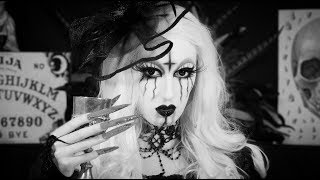
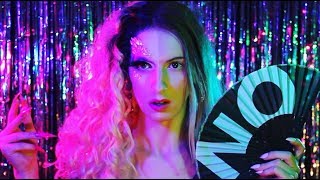
A reading guide to this creator’s covered conversations.
ContraPoints explores the cultural battlegrounds of gender identity, aesthetics, and political polarization through elaborate theatrical framing and deep philosophical analysis.
Public Relations of Success and Envy Management · Emerging1 episodes · 10%
Psychology of Dark Humor · Emerging1 episodes · 10%
ABOUT THIS CREATOR
About
ContraPoints explores the cultural battlegrounds of gender identity, aesthetics, and political polarization through elaborate theatrical framing and deep philosophical analysis. The episodes dissect contemporary culture-war flashpoints—ranging from pronoun usage and transmedicalism to climate change denial and the rhetoric of reactionary movements—by bridging high theory with pop-culture phenomena. Drawing on thinkers like Judith Butler, Susan Sontag, and Immanuel Kant alongside historical case studies, the show interrogates the psychological mechanisms driving public hostility and tribalism. Rather than relying on simple partisan point-scoring, the creator maps the complex interplay between systemic power structures, personal anxiety, and aesthetic presentation. This approach reveals how visceral disgust, social artifice, and rhetorical tactics shape modern ideological conflicts.
The Social Performance and Precarity of Gender Identity
Gender is examined as a series of learned social gestures and behavioral codes rather than an immutable biological essence, drawing on Judith Butler's framework.
Trans individuals often adopt hyper-feminine presentation or linguistic signifiers as functional tools to prompt public recognition and avoid misgendering.
Visibly non-passing transgender people face targeted harassment and precarity that invalidates claims of retained male privilege.
Rhetorical Strategies and Psychological Roots of Reactionary Politics
Right-wing movements and controversial figures frequently deploy deceptive rhetorical frameworks like motte-and-bailey arguments and victimhood tactics.
Opposition to marginalized groups often originates from evolutionary disgust responses and purity frameworks rather than reasoned ideological disagreement.
Historical playbooks established by campaigns like Anita Bryant's Save Our Children demonstrate how political actors channel domestic grievances.
The Integration of High Philosophy with Popular Culture and Theatrical Dissonance
Episodes consistently juxtapose academic frameworks—such as Kantian aesthetics, Judith Butler's performativity, and Susan Sontag's camp—with pop-culture artifacts and internet subcultures.
The show uses high-status diction and elaborate theatrical presentation alongside messy biological realities to illustrate the absurdity and nuance of navigating modern identity.
Psychological Mechanisms as Drivers of Political Hostility
Public pushback against marginalized groups and environmental advocates is framed not as purely rational disagreement, but as ego-defense mechanisms shielding individuals from guilt.
Internalized shame, sunk cost fallacies, and peer policing among transitioning individuals are examined as psychological forces that exacerbate ideological polarization.
Dramatized dialogue formats featuring recurring fictional archetypes to debate opposing political strategies like respectability politics versus direct action.
Historical case-study analysis examining 20th-century political movements, such as Anita Bryant's Dade County campaign and the Western Fuels climate denial push.
Deep dives into etymology, art history, and cultural theory, tracing the origins of concepts like glamour, camp, and classical polychromy in antique sculptures.
Personal and vulnerable explorations of medical procedures and bodily dysphoria, balancing clinical realities with aesthetic critique and self-acceptance frameworks.
Shared coverage: culture-war debates · social media's societal impact
THE CONVERSATIONS
Episode summaries
Browse covered conversations, newest original releases first.
The Witch Trials of J.K. Rowling | ContraPointsApr 17, 2023 · 115 min+
Natalie Wynn analyzes the recurring rhetorical patterns of anti-queer moral panics by examining the historical backlash against Anita Bryant, the framing of Megan Phelps-Roper’s podcast on J.K. Rowling, and the mechanics of modern gender-critical movements. Through historical parallels—from 1970s anti-gay campaigns to suffrage protests—the essay explores how conservative movements co-opt feminist language while displacing public rage against domestic patriarchy onto marginalized outsiders. Ultimately, it argues that public shaming and political defeat, rather than polite debate, are necessary responses to eliminationist rhetoric.
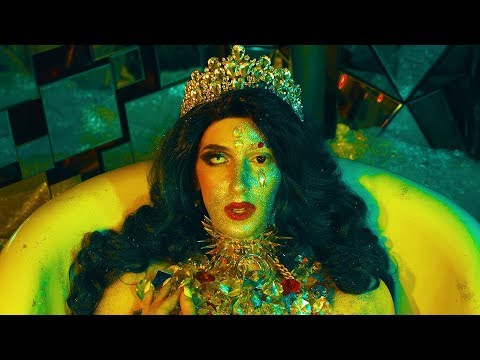
In this video essay, ContraPoints explores the cultural, sociological, and psychological dimensions of opulence, wealth, and taste. Analyzing phenomena from hip-hop luxury and 1980s Harlem ballroom culture to Kantian philosophy and Paul Fussell's class theories, the discussion unpacks why human beings are simultaneously drawn to aesthetic excess and prone to resentment of elite power. Ultimately, the essay bridges individual identity journeys with broader economic realities, culminating in a reflection on the Gothic aesthetics of decaying 20th-century consumerism.
In this video essay, ContraPoints explores the cultural and philosophical tensions surrounding transgender identity, contrasting strict medical models of gender dysphoria with expansive non-binary and queer expressions. Through satirical sketches and character dialogues, the piece examines concepts like transmedicalism, second-hand dysphoria, and Judith Butler's theory of gender performativity, ultimately questioning whether validity requires rigid clinical definitions or if personal freedom demands an acceptance of ambiguity.
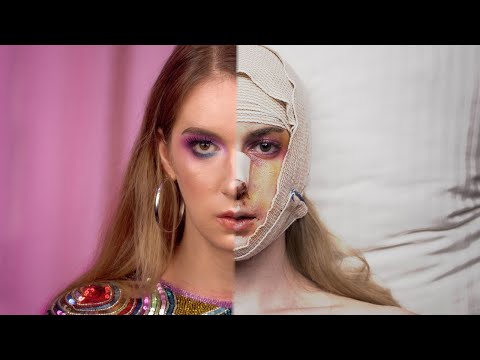
Natalie Wynn explores the complex psychological and cultural forces driving her choice to undergo facial feminization surgery (FFS). Tracing the blurry boundary between medical gender dysphoria, arbitrary societal beauty standards, and personal vanity, she interrogates why even hyper-critical leftists remain enslaved to the pursuit of physical perfection. Ultimately, she proposes cultivating individual style as an alternative escape hatch from unattainable collective beauty ideals.
In this analytical video essay, cultural commentator ContraPoints examines the core arguments of the gender-critical and trans-exclusionary radical feminist (TERF) movement. By breaking down eight prominent concerns—including gender metaphysics, stereotypes, abolishing gender, male privilege, socialization, reproductive oppression, and vocabulary shifts—the discussion unpacks the tensions between trans experiences and radical feminist critiques, ultimately arguing that much of the underlying animosity is driven by visceral disgust rather than structural theory.
Natalie Wynn examines the philosophy of dark humor, contrasting juvenile shock-value edginess with mature comedic self-deprecation. Through close readings of trans experiences—from Ricky Gervais’s repetitive jokes to Gigi Gorgeous’s chaotic fertility clinic accounts—she argues that true dark comedy requires genuine proximity to pain. Ultimately, she contends that comedy must maintain an unresolvable tension between moral responsibility and the freedom to shock.
Natalie Wynn, known as ContraPoints, examines the internet meme "Are Traps Gay?" to dissect the complex intersections of trans identity, modern masculinity, and sexual desire. The essay traces the etymology of the slang term, analyzes the real-world dangers of the trans panic defense, and critiques the rigid purity codes governing straight male sexuality. By examining adult industry metrics, physical presentation, and personal vulnerability, the video argues that the debate relies on bigoted assumptions that stigmatize both trans women and the men attracted to them.
In this video essay, ContraPoints explores the psychology of climate change denial, examining why scientific warnings trigger defensive hostility and how corporate interests and political rhetoric shape public indifference. Tracing historical milestones of climate science from Svante Arrhenius in 1896 to the 2018 IPCC report, the discussion highlights the mechanics of the 'Angry Jack effect,' manufactured uncertainty campaigns by fossil fuel associations, and the structural inability of short-term market incentives to address long-term ecological collapse.
ContraPoints examines the intense cultural and philosophical debate surrounding pronoun usage, contrasting strict biological reductionism with linguistic and social realities. Using interactions with public figures and thought experiments like the adoptive parent analogy, the essay unpacks how language functions as an evolving social convention rather than a rigid genetic readout.
In this video essay exploring the role of aesthetics in political and social discourse, ContraPoints stages a dialectical debate between two archetypes—the radical activist Tabby and the polished commentator Justine. The dialogue investigates how visual presentation, public perception, and media spectacle dominate rational argumentation in modern political life, particularly regarding transgender identity and presentation. Ultimately, the conversation probes the tension between demanding systemic change through confrontation and mastering socially enforced standards of respectability.