About
Think School delivers rigorous, case-driven profiles of business models, startup scaling strategies, and public policy interventions in India. The episodes deconstruct complex market dynamics by examining operational mechanics, financial trade-offs, and supply chain decisions rather than relying on high-level generalities. Through detailed examinations of consumer brands like Veeba and Comet, alongside governance deep dives such as Delhi's municipal infrastructure, the show highlights how local cultural preferences and structural economic realities shape institutional success. Guests and case subjects provide unfiltered lessons on bootstrapping, venture capital pressures, and manufacturing quality control. Every profile balances quantitative metrics like margins and budgets with qualitative insights on leadership psychology and market positioning.
5 sources · 5 references
Think School · 13:03 Think School · 4:00 Think School · 8:50 Think School · 16:16 Think School · 26:35Recurring themes
Capital Strategy and the Realities of Venture Growth
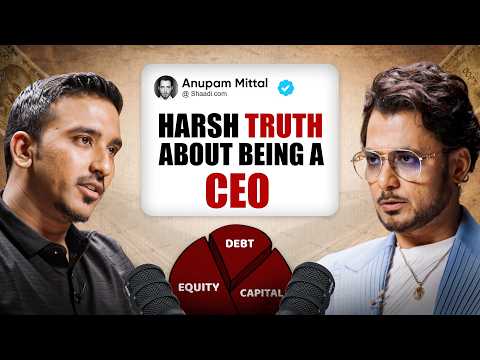
- Raising venture capital forces startups to target extreme annual growth over a decade, which mandates large teams and fundamentally alters founder lifestyles.
- Bootstrapping via customer revenue avoids debt interest and equity dilution while providing authentic product validation.
- Guest Kunal Shah notes that external capital is strictly a tool to accelerate growth at the cost of equity rather than a mandatory prerequisite for starting a business.
2 sources · 3 references
Think School · 4:00 Think School · 7:28 Think School · 1:16:10In-House Manufacturing and Quality Control Standards
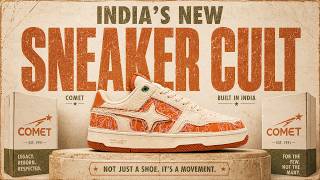
- Brands like Comet and Veeba reject generic contract manufacturing in favor of investing heavily in proprietary mold design and dedicated plant infrastructure to protect quality and safety.
- Veeba enforces food safety through a strict benchmark of whether the founder would feed the product to his own children, removing subjectivity from microbiological compliance.
- Relying on third-party manufacturers introduces hidden risks because cost-saving measures on safety gear and maintenance often compromise the brand's reputational risk.
2 sources · 4 references
Think School · 44:44 Think School · 22:08 Think School · 29:23 Think School · 31:12Capturing Unbranded White Space and Local Palates
- India's heavily unbranded traditional categories create massive commercial white space for domestic brands to displace legacy incumbents by targeting aspirational mid-market segments.
- Veeba and Comet tailor foreign concepts to local preferences, such as engineering dressings to match traditional heat profiles or using culturally resonant product drops.
- Kunal Shah explains that Indian consumer behavior is driven by social interaction and relationship building rather than pure hourly efficiency.
4 sources · 5 references
Think School · 13:03 Think School · 22:26 Think School · 43:47 Think School · 1:10:30 Think School · 1:36:09Rigorous Executive Evaluation and Founder Accountability
- Senior executive hiring requires high-touch evaluation through casual meals outside the office combined with confidential reference checks to uncover red flags.
- Kunal Shah highlights that Cred recruits previous startup founders because their past failures foster extreme self-awareness and make them highly coachable.
- Corporate values remain ineffective unless leadership actively enforces them through daily operational tolerances and refusing to launch subpar products.
2 sources · 3 references
Think School · 1:39:40 Think School · 26:35 Think School · 36:10Public Sector Infrastructure and Welfare Interventions
- Delhi addressed severe water supply deficits by laying thousands of kilometers of pipelines, utilizing treated saline groundwater, and recharging floodplains.
- Targeted welfare payments and direct cash transfers are framed by officials as bottom-up economic stimuli that boost domestic demand for everyday goods.
- Municipal authorities restructured fiscal priorities by doubling the education budget to rebuild aging school infrastructure and send educators to elite global institutions.
1 source · 3 references
Think School · 8:50 Think School · 1:04:50 Think School · 1:21:40
Distinctive perspectives
Building enduring consumer brands requires identifying unserved middle-market gaps and deploying culturally resonant positioning rather than generic Western tropes.
- Comet bypassed generic competition in the footwear market by pricing shoes at an attainable aspirational threshold and using unexpected cultural product drops.
- Veeba successfully established itself by launching premium Western-style dressings tailored specifically to local Indian palates rather than competing in low-end commodity ketchup.
2 sources · 4 references
Think School · 13:03 Think School · 22:26 Think School · 49:50 Think School · 1:36:09Coverage style
Detailed case studies breaking down specific business unit economics, supply chain investments, and manufacturing decisions.
2 supporting episodes2 sources · 2 references
Think School · 44:44 Think School · 22:08Masterclass-style founder interviews featuring frank discussions on fundraising pressures, hiring vulnerabilities, and personal mindset frameworks.
2 supporting episodes2 sources · 2 references
Think School · 4:00 Think School · 36:10Comprehensive policy and municipal evaluations analyzing infrastructure budgets, public healthcare interventions, and civic water management.
1 supporting episodes1 source · 2 references
Think School · 8:50 Think School · 1:21:40Ground-level operational breakdowns examining how pricing thresholds, distribution networks, and localized marketing drive consumer adoption.
2 supporting episodes